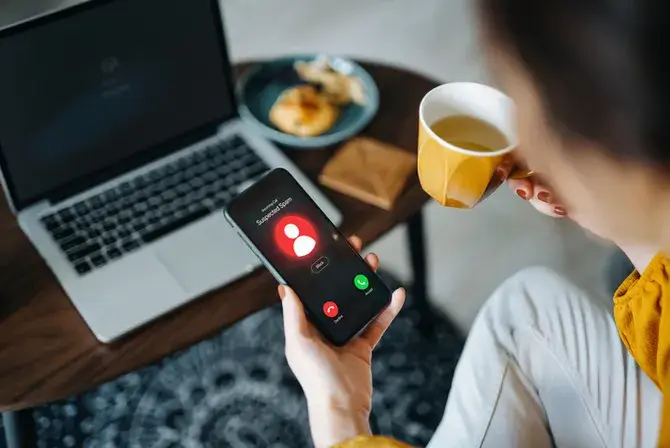
Protecting Your Money: Beware of Scam Text Messages

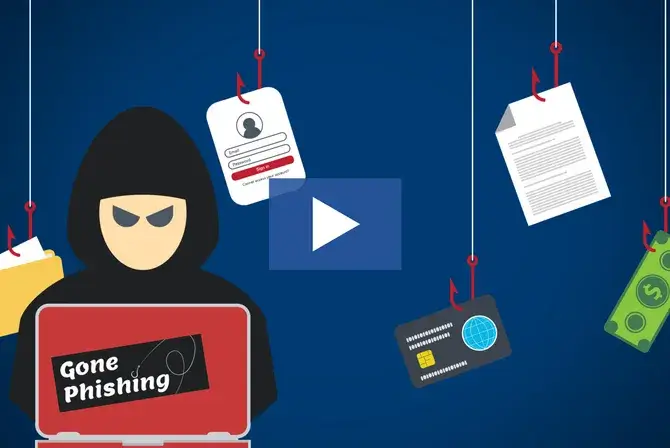
We’re living in a digital world and learning how to safeguard your personal and financial information is more critical than ever. Scammers are getting better and better at inventing new ways to get our personal information and money, like using fraudulent text messages with links that appear to come from legitimate organizations. It’s important to learn how to recognize and avoid falling victim to these increasingly sophisticated scammer tactics, most commonly referred to as “phishing.”
What is phishing?
Phishing is a deceitful practice where cybercriminals attempt to trick individuals into divulging sensitive information, such as login credentials or personal details. Ultimately, they could steal thousands of dollars from you or at the very least, require a complete rebuilding of your banking account with new account numbers and cards.
FRAUD ALERT: Our members are receiving scam texts and calls impersonating Virginia Credit Union. Protect yourself against text messages you don’t trust: DO NOT CLICK on any links and DO NOT feel pressured to reply or provide personal information, like your debit or credit card account number. When in doubt, call us directly at 800-285-6609.
Text messages are becoming a more common way for scammers to conduct phishing attacks because of their immediacy and the sense of urgency they can create.
Phishing Text Messages – Pay Attention to Red Flags:
- Unusual Sender: Be wary of messages you receive from unknown or unexpected senders, especially those claiming to be from Virginia Credit Union.
- Urgency and Threats: Scam messages often convey a sense of urgency, claiming your account is compromised or that immediate action is required.
- Suspicious Links: Scammers will create hyperlinks that look legitimate but are not. Some are very sophisticated, so it’s best to avoid clicking any link texted to you from an unknown or unexpected sender. Remember, we will never text you unsolicited links or ask you to click on a link to log in to online banking.

Always Take a Moment to Think Before You Click:
The key to protecting yourself is to pause and think before clicking on ANY links in text messages. Follow these steps to protect yourself:
- Avoid Clicking on Links: Virginia Credit Union may ask you to confirm a purchase with Y or N reply, but we won’t ask you to click on links. When in doubt if a text really came from VACU, don’t respond to the text message and call us directly to verify.
- Do Not Provide Personal Information: If someone reaches out to you by text, email, or phone and asks for personal information, like your debit or credit card account number, do not provide it. We won’t ask you for your online banking password or your two-factor authentication code.
- Only Use Trusted Contact Info: When in doubt, contact us directly by calling the number on the back of your card or by typing https://www.vacu.org into your browser. Avoid using any contact information or links provided in the suspicious message
Report Suspicious Messages:
If you receive a suspicious text, report it to Virginia Credit Union immediately. Send a screenshot or photo to reportabuse@vacu.org. After sending the message, mark the text as spam in your message provider and block the sender. The process is similar if you need to report a suspicious email.
Remember, taking a moment to pause and verify before clicking any links sent to you can prevent potential financial losses and safeguard your personal information. Learn more about keeping personal information safe on your phone, brush up on the tell tale the signs of a scam, and stay vigilant by paying attention to phishing red flags.