Buy Now, Pay Later: Convenient or Costly?

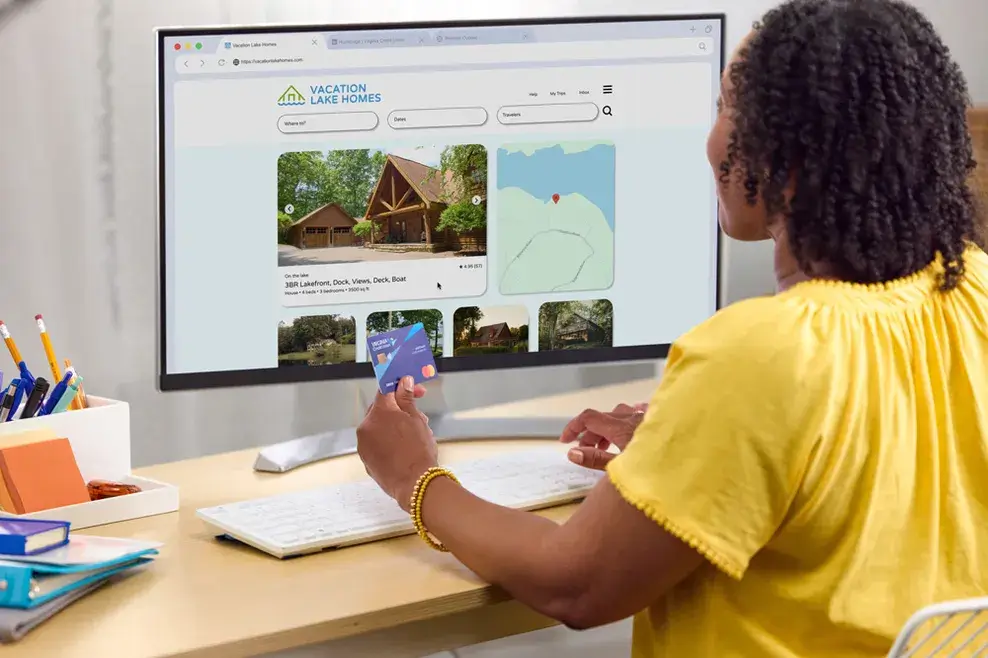
Buy now, pay later (BNPL) is a fast-growing payment option that allows consumers to split purchases into smaller installments over time. These payments are often interest-free if paid on schedule and are designed to make shopping feel more affordable. You’ve likely seen BNPL options pop up at checkout, with providers like Klarna, Afterpay, and Affirm among the most popular.
Unlike traditional loans or credit cards, buy now, pay later services can determine eligibility in seconds. They typically rely on soft credit checks, which don’t impact your credit score, along with factors like purchase amount and your history with the service provider. This ease of approval is part of what makes BNPL so appealing — but it’s also where some of the risks begin.
As these services continue to grow in popularity, it’s important to understand how they really work so you can make confident financial decisions. When it comes to credit reporting, most buy now, pay later providers do not report on-time payments to the credit bureaus. That means you’re usually not building your credit by using their services. However, some providers do report missed or late payments, which can negatively impact your credit score.
The advantages of Buy Now, Pay Later
Like any financial tool, buy now, pay later comes with benefits. Approvals are quick and easy, allowing you to spread out larger purchases over time — often without interest. For individuals who haven’t yet built enough credit to qualify for traditional loans or credit cards, BNPL can feel like a helpful alternative.
Buy Now, Pay Later drawbacks
The convenience of buy now, pay later can also encourage overspending. A purchase you may have saved for or reconsidered suddenly feels easier to justify when it’s broken into smaller payments. Missed payments can lead to late fees, so it’s important to read the fine print and understand what happens if a payment is delayed.
Another major risk is how quickly installment plans can stack up. Because each purchase feels small in the moment, it’s easy to lose sight of the total impact on your budget.
Example:
Imagine you use buy now, pay later for three purchases in the same month:
- $800 laptop → $200 every two weeks
- $400 clothing haul → $100 every two weeks
- $200 concert tickets → $50 every two weeks
Individually, each payment seems manageable. But together, that’s $350 due every two weeks, or about $700 a month, potentially on different dates. If those due dates don’t line up with your pay cycle, keeping track and paying on time can become stressful fast. Add one more purchase, and suddenly your budget is stretched thin.
Because not all BNPL services are transparent about fees, reporting practices, or payment structures, reading the fine print is essential.
Better financial alternatives to consider
If you’re trying to avoid the pitfalls of buy now, pay later, here are a few healthier options:
- Build savings before spending. Use the “cart cool-off” method. Wait at least 24 hours before checking out to reduce impulsive purchases.
- Explore credit-building tools. Low-interest credit cards or credit-builder programs can help you build credit while still allowing manageable payments.
- Consider layaway. Believe it or not, layaway still exists and allows you to pay toward a purchase over time without taking on debt.
- Plan ahead with a stronger budget. Anticipating large expenses can help you avoid relying on short-term financing altogether.
Buy now, pay later can be useful in certain situations, but it’s not risk-free. Multiple installment plans can stack up quickly, making payments harder to track and budgets harder to manage. When payments fall outside your pay cycle, even interest-free plans can lead to missed payments and added stress.
Used carefully, BNPL can be a helpful tool. Used without a plan, it can quietly wreck a budget.