Listen: Busting 7 Credit Myths
There are a lot of misconceptions about what really affects your credit health. In this episode of Play That Back, we revisit our conversation with credit expert DeAnna to bust some of the biggest myths out there.
Audio Transcript
Please consult with a qualified professional for any investment or financial advice.
Welcome to Play That Back, where we spotlight conversations from our main show that are worth a second look.
When it comes to money, and especially credit, there’s a lot noise out there. A “tip” can get passed along by friends and family. Or a hack “everyone should know” can pick up steam on TikTok. The reality is your credit is important and understanding what actually affects it is just as crucial.
That's why we wanted to bring back this conversation with credit superstar DeAnna. She sat down with us to bust some of the biggest credit myths out there. DeAnna’s insights provide a great look at what really impacts your score.
Whether you're building credit for the first time or just trying to make sense of all the conflicting advice out there, there's something here for you. So enough from me. Let's play that back.
Hello. This is Cherry, and we have a friend of the show here, DeAnna. Welcome, DeAnna. Hi, Cherry. So excited to have you. Can you tell us a little bit about yourself and your role at the Credit Union?
Absolutely. Well, I've been with the credit union for eleven years. I'm the senior vice president of collections and recovery.
And I think that the first myth I'd like to bust. because we're gonna bust them today, is that collectors are scary because we're not.
We are actually our main goal is to try to help people when they are unable to pay their loans, pay their credit cards, to try to figure out what tools we may have that might be able to help them to get through their rough time.
And it's only when we really get to a last resort where we're not able to find ways to help somebody or they're not willing to speak to us that you hear some of the other scarier things around, you know, repossession and court and all of those types of things. So for the most part, we really are just here to try to help our members get back on their feet and to find that financial stability and to be their trusted partner when they're really struggling.
So in your role, I'm sure you deal with situations around credit every single day.
Every day.
And from your perspective, we're gonna dive into some different myths around credit that we have. There's so much information right now hitting us in every direction. I think it's really important to understand what is true and what is not true. What are some of the myths that people might run into when they're dealing with credit? So the first myth we're gonna dive into is checking your credit score lowers it. Is that true or not?
Actually, is not. So there's something called a hard pull, which is what impacts your credit. So that's like when you go and you're looking for to get a loan, to get a mortgage, those type of things. When creditors pull your credit for that purpose, it does impact your score.
So that's somebody else pulling your credit, like a financial institution.
Correct. When you pull it yourself, it's called a soft pull.
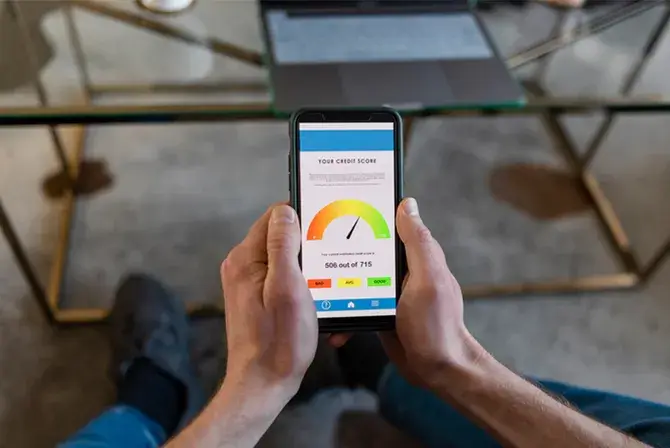
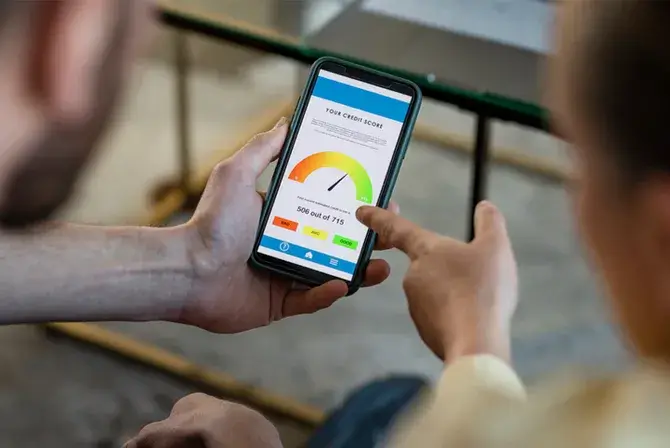
And soft pulls do not impact your credit score. They're really for informational purposes only. And it's actually very important that you check your credit regularly because if you don't, you'll miss things that happen like fraud. So and also sometimes things are reported incorrectly. So you wanna make sure that you are checking your credit bureau on a regular basis at least once a year. And I generally say once every six months just to make sure that, you know, everything that's on there is accurate.
Now there's so many different websites, different ways for consumers now to pull their credit.
Yes.
What is your recommendation for the place to go to pull credit for yourself?
There are a lot of, like, free credit now. You can find a lot of different places. You can actually see your score.
Here at VACU, we have it on our online banking tool. You can quickly take a glance at your score. But there's a lot of free credit dot com. There's a lot of places that you can go and pull your credit for free, and you can do it, like, once a year for free.
It's not free every time. So you wanna make sure that you're paying attention to that as well.
Well, good. And we tell a lot of our consumers to go to annual credit report dot com. That's kinda like the official one, and that can funnel you into all three credit bureaus, Experian, TransUnion, and Equifax.
Yes. So that is a great one to go to as well. Alright. So let's talk about myth two. Closing old accounts helps your credit score.
Should I go out and close a bunch of accounts and then, you know, go apply for a mortgage? Is that is there some impact there?
There is impact, and it's not necessarily good to close old accounts because there's something that's called your debt to credit income. So it's basically looking to see how much debt do you have and also how much income do you make, but it also looks at how much of that debt that you have been afforded or given by creditors have you actually used. So that's the ratio. And so the ratio, if you close out all your old accounts, let's say for example, make it easy.
We'll use easy numbers. Let's say you have an account for a thousand dollars and you close that out. Well, that says you don't have that account anymore. You don't have available credit.
But if you have that open and it's zero, then it's showing you have a thousand dollars available, which then shows that you yes. That that will help your credit score. And so you don't want a ton of open accounts that aren't you're not using as well because it's really looking at how much do you have of credit and how much are you using of that ratio. And then the second part is how much is your income and how much credit do you have towards that?
So, for the credit bureau purposes, you really wanna pay attention to, like, how much do you have available credit to you and then how much of that are you using.
And that's good to know. I always think it's good to look at things when we're talking about credit. There's the credit score in and of itself, and we utilize that credit score in different ways. But sometimes there's a time to worry about your credit, and then sometimes there might not be. You know, if you're getting ready to get a loan for a mortgage or a car, that's when you really need to consider that credit. But if you're trying to get yourself on track financially and you do have open a lot of accounts and you're not going to access that credit right away, it might make sense for you to close out your accounts to get your finances under control. Right?
Correct.
Yes. So it's different things for different people depending on where they are on their financial journey.
Yes. And my daughter was checking her credit bureau daily and then calling me and freaking out.
Oh my gosh. It changed my two points. Yes. And I had to have that same conversation with her. I said, look. This is a number that does fluctuate a little here and there, but don't be so concerned about it on a daily basis. It's really when you're trying to get credit, where are you, and then making sure that the number is where you wanna be at the time you're trying to get the credit.
That ebb and flow of it. Correct.
Correct. Myth three, increasing your income increases your score. Does income really impact credit scores? It really does not because the credit bureau can't tell what your income is. It's not part they don't know. So it does not impact your credit score.
Okay.
Now when you're going to get a loan, it can impact your loan because they will know how much money you make versus how much money you're trying to get or have lent to you. Okay. And so that's where that number comes into play, but not on your actual credit score.
Oh, good to know. Okay. Myth four, late payments don't impact your score for long. So if I have a payment that I forgot to do and it was, let's say, sixty days ago, do I need to worry about that when it comes to credit?
Absolutely. This is a big myth. Right?
So your credit can be impacted for seven to ten years depending on the situation Okay.
If you have negative credit. So some things that like a lien on a property or something like that can be impactful for ten years. Most credit scores change and fluctuate with just a regular kind of late payment, about seven years. So you definitely wanna make sure that you take care of those debts and that you pay them as soon as possible. Under thirty days is what you want.
And then if you do have to be late, you wanna get it done as quickly as possible because every thirty days, it shows you as later and later. And the later you go, the more it impacts your score. So you wanna make sure that if you're gonna be late, call your creditors, make sure you have a conversation with them, see if there's any tools they might have available to help you because we do. So I know there's, you know, a lot out there that we can help you with. So it's just making sure that you get those payments made as quickly as possible because the impacts are so long and you may not want to buy a house now, but six years from now you might and that can be a problem for you.
I think, finances can be very stressful. Yeah. Especially if we fall behind on payments, but you know, the worst thing one can do is just kind of pull the covers over your head. It's really important to reach out to your financial institution, to your creditors, and tell them what's going on and get everyone on the same page.
A hundred percent.
And utilize the resources that your financial institution has. Virginia Credit Union, we have financial coaching where we can help our members if they're falling into a hard situation. So we really want people to access those resources.
Alright. Myth five. If you have a charge off, well, there's no use paying it. I shouldn't even worry about it if I have a charge-off.
This one is the rough one for us. Right? Because we often get members saying, well, this is charged off, so I don't owe it anymore. Yeah.
That is hugely false. Right. So collection efforts continue on charge offs. All it really means to have a charge off is that the account has gone a hundred and eighty days or more past due, and then the creditor had to write it off as an asset in their books.
Right? So it's really an accounting term. It's not really a term that really, is a consumer term. And so, basically, when you when you do get a charge off, it shows up as an r nine on your credit report, and that impacts your credit score pretty heavily.
Okay.
And so we tell people, even if you have that happen, it is better for you and your score improve slightly, but it does improve if you pay that charge off. And then there's a lot of things that you can't do if you do have charge offs on your account. So for example, with us, you're denied service if you have a charge off. So you can't get any more loans or any more credit with the credit union until you take care of that. That, we call bad debt.
Right? That allowed to charge off. So, yes, you must pay those charge offs if you have the ability to as quickly as possible because it can help your credit score. And, also, the creditors can still do all of the legal things to collect that debt even though it is a charge off.
Okay. That's so good to know because I I do think that myth is out there.
Oh, it is. Trust me. We hear it often.
Okay. So myth six, cosigning does not impact your score.
It absolutely does. One hundred percent. You are saying to the creditor, if this person does not pay, I will. And so you're basically signing up as if you were somewhat of a joint owner.
Right? You're guaranteeing for this company that you have better credit than the person you're cosigning for. Right. So in the event that they're not able to pay, you'll pay for them.
And so it will impact your credit just as if the loan was your own. It's very important, I think, for young adults to realize, the impact of cosigning other things with other people and to make sure that they truly trust that other person. And even parents, I think sometimes we cosign things with our children, and we don't even think about it. And then, oh, they didn't pay the bill.
And that's going to impact my credit score. One hundred percent. A parent.
So it's important to know when we put our names on that dotted line, what that truly means and how, if we don't follow-up with our commitments, it will truly impact us in negative way.
Well, one more thing I'd like to add to that is it's really important for young people because you brought that up, and it's a great point.
It's really important for young people to build their credit slowly. But when they're younger. Right? So taking out a small credit card with your child with your name on it while you're still paying the bill, right, to help them build credit when they are and by child, I don't mean twelve. I'm talking eighteen, nineteen. They're going to college. Right?
Yep.
And you know once they're done with college, they're gonna wanna have credit.
They're gonna wanna buy cars, all of that stuff when they're able to and can afford it. So it's they're old enough to have a card, but a small credit limit. And then you teach them, you pay it off every single month.
Yeah. Pay it off. So they they're building their own credit so that eventually they continue to do that. And then they don't need cosigners because they've built their own credit and they've shown that responsibility. And I always say the younger you start teaching children about finances, the better because it's not something that is inherent and it's not something that everybody understands.
So it's very important to make sure that that children get that education early just like we do with the schools. Yeah. Start saving early with a piggy bank. Yes.
And then working your way up to what is credit and how does that work.
Love it. Love it.
Yeah.
Okay. Our last myth that we're going to debunk today around credit is you only have one credit score. Is that true or not?
It is not true. As you mentioned, there are there are many credit well, not many, but there are several credit, bureaus out there and not every creditor uses all of them. Some use two, some use one, some use three. So you mentioned TransUnion, Experian. Those are all credit bureaus and they're they do their scores a little bit differently. So your score at one may not be the same as it is the other. So it is important that you do kinda keep an eye on all three to make sure that they align and that and by align, I don't mean that they're the same, but just that the credit that's on there is correct.
Do you know why that is? That question comes up all the time. Why is my score different at one place versus another?
It really is based on their individual way that they measure and how they how they weight it. What do they put weight on? Right? So one may weigh, oh, you we weigh more the debt the sorry.
The credit limit to usage. Right? While someone else may and it's slight. It's not you won't have one where your credit score's, you know, four hundred and the other one's eight hundred.
It's gonna be pretty close in range, but they do weigh things differently.
Okay. I think the more you know around this topic, the better off you're gonna be. And it sounds like we should start early with our children and then our teens. And then as they're getting out on their own, just instilling the importance of making sure that they're paying their bills on time and, you know, figuring out that income and where it's supposed to go and budgeting it accurately.
Absolutely. DeAnna, thank you so much for joining us and sharing your expertise. We really appreciate it.
Thanks for having me. I really enjoyed it. Yeah.
Pay That Bill is a podcast designed to entertain and, more importantly, educate. The show is produced by Virginia Credit Union and is developed alongside our award winning financial education team. We have a library full of free resources available online that can help you on your journey to financial success. If you want to learn more about what we talked about today, check out the links we have in the description of this episode.
The information provided in Pay That Bill is for educational and informational purposes only and should not be considered financial advice. While we aim to share helpful insights and general strategies, every listener's financial situation is unique.

Our personal finance podcast, where our award-winning financial education team (and work besties) makes money talk anything but boring.